War on Ultra-Processed Foods Will Have Significant Implications for Producers and Retailers
THE CAMPAIGN by Robert Kennedy’s U.S. Department Health and Human Services to reduce – if not eliminate – ultra-processed foods from diets, a move given renewed focus with recently updated nutritional guidelines, is one that in reality has been building for some time. And it is not likely to fade as fads such as “low-fat” or “sugar-free” ultimately did.
The latest salvo is the banning by five states – Indiana, Iowa, Nebraska, Utah and West Virginia – of “junk food” purchases under SNAP benefits. They won’t be the last. It’s not unrealistic to assume that double or triple that number of states might make similar announcements in the months ahead.
For food manufacturers and grocery operators, the impact will be great. While SNAP benefits account for around 10-12% of total US grocery sales in aggregate, the concentration can be much greater in certain categories and with specific retailers. Among some banners (especially discounters, dollar stores, and select convenience players), often a majority of core customers rely on some form of government assistance, meaning these policy shifts will have a large say in what moves off the shelf and what stays behind.
The change this will bring for food makers and retailers will be significant, and it is best that both begin to take action now to ensure the market does not move on without them.
A Change Years in the Making
This change is not a sudden phenomenon. In fact, a push to move consumers to healthier food options has, of course, been happening for some time.
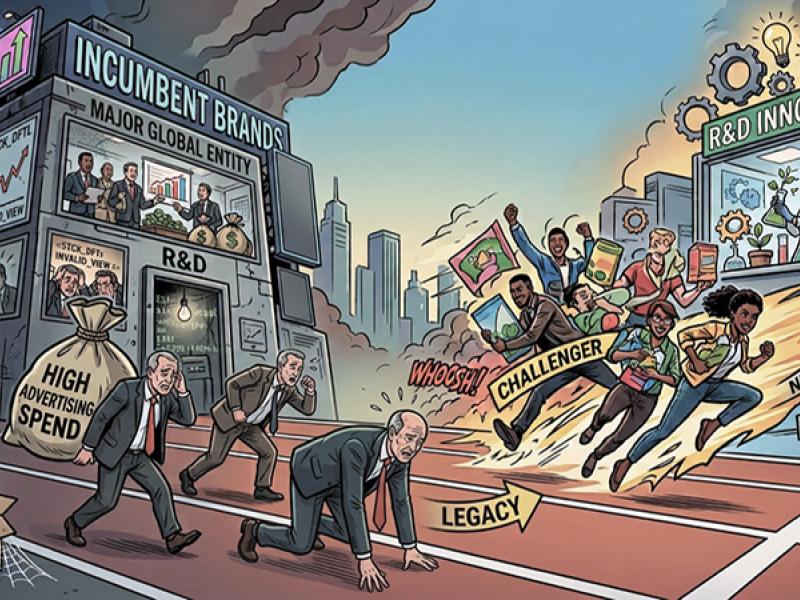
It would be easy to frame this moment as a sudden regulatory shock. In reality, it is more accurately an accelerant. The industry has already been grappling with changing consumption patterns driven by health awareness, social media, and the rise of GLP-1 drugs that suppress appetite and reshape food choices. Snack categories, such as candy, chips, and soda, have been under pressure for several quarters, and major manufacturers have responded by rolling out or acquiring “better-for-you” alternatives that would have been niche products just five or ten years ago.
What state action does is turn a cultural and medical trend into a structural one. When SNAP restrictions reshape what can be purchased at the register, those changes ripple through the entire value chain from category management and shelf space allocation to factory utilization and ingredient sourcing.
Short- and Long-Term Effects
The immediate effect will be on assortments. For years, retailers looked to expand candy and snack availability in store footprints and especially at checkout due to its impulse appeal to shoppers across income levels and its attractive net profitability.
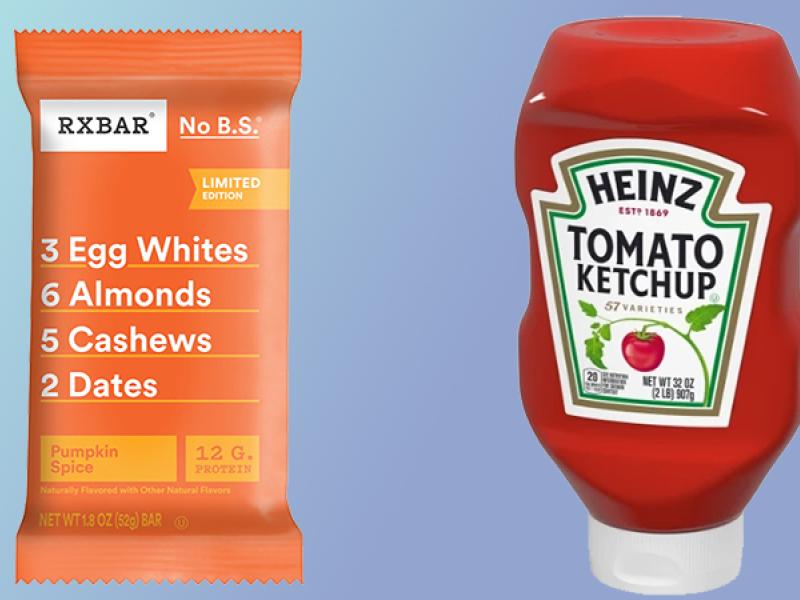
Now, category managers will be forced to reconsider how much space they should devote to traditional snack SKUs versus emerging alternatives such as protein-forward bars, low-sugar beverages and “functional” snacks that can still qualify under evolving guidelines.
Manufacturers who fail to anticipate those shifts risk more than just lost shelf space. They risk being caught with excess production capacity built around declining categories. Retooling a line, finding repack partners, or pushing product into international channels are all costly moves if made reactively rather than strategically.
This is not to suggest that snacks, candies and sodas will be shut out. Certainly, as relates to those receiving SNAP benefits, it is not uncommon for benefits to be used for just a part of a checkout and cash for the remainder. But in aggregate, we will see changes in purchasing habits. Impulse buying won’t come to a halt, but it will happen less frequently and at lower volumes than in the past.
Be Proactive
To manage, manufacturers and retailers throughout the value chain, need to be proactive. Watch these categories closely, knowing that changes are going to come.
Retailers, due to their access to purchase data, will be the first to see changes in purchasing patterns, but orders will still flow through. So be careful to avoid situations where you have excess capacity, or have to discount products to move them off shelves.
Winner Will Be Protein
If there is a clear winner, it is protein. From fast-food advertising to grocery packaging, “protein” has become the dominant buzzword. Whether plant-based or animal-derived, it is now positioned as the centerpiece of health-forward eating.
But protein is not cheap. Recent volatility in bean and other protein-rich crop prices underscores the cost pressure baked into this shift. As formulations move away from inexpensive sugars and vegetable oils toward higher-cost protein ingredients, overall food prices could rise.
Paradoxically, that may not be all bad news for margins. Scarcity and higher perceived value can support price increases, improving per-unit profitability even as volumes fluctuate. Protein suppliers and ingredient innovators are likely to feel bullish, while producers tied to sugar, oils, and commodity additives may find themselves on the defensive.
Strategic Inflection Point
The “HHS Kennedy effect” is not about one set of guidelines or five states. It is about a broader recalibration of what Americans are encouraged, and, in some cases, allowed to eat. For ultra-processed food makers, it is a clear warning. For innovators in protein, functional foods, and better-for-you categories, it is a generational opening.
The companies that thrive will be those that treat this moment not as a compliance exercise, but as a strategic inflection point.
Justin Ramahlo is Partner in Roland Berger’s Consumer Goods and Retail Practice. For more information, please visit www.rolandberger.com