Good News Despite Inflation Fears from Trade Wars
FEBRURY WHOLESALE PRICES were flat (versus January) bringing relief to consumers on inflation. However, the recent tariff wars are a major concern that prices may see dramatic shifts, reports Price-Trak, a weekly monitoring service reporting grocery list pricing for 150+ categories.
If the tariffs go into full effect, there may be an intense period of rising prices over the next few months followed by a quick decline as pricing volatility may plague the U.S. economy.
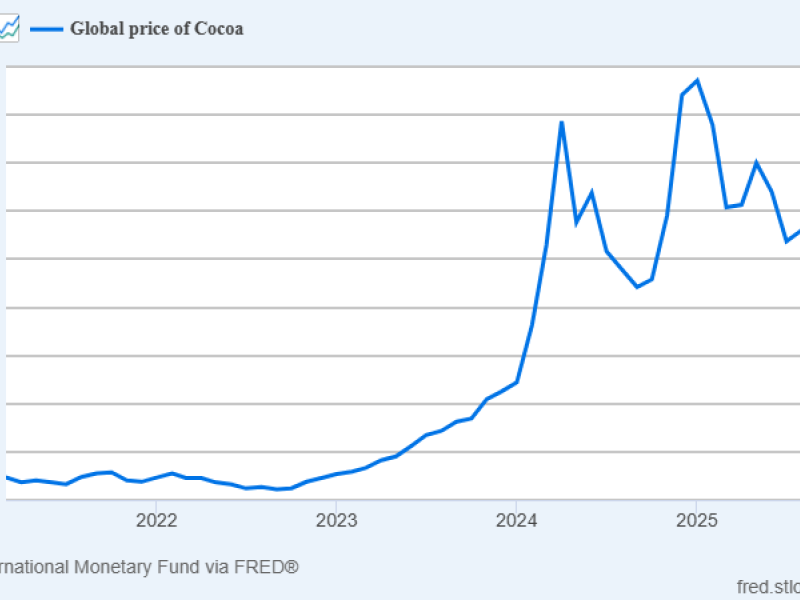
Versus a year ago, February prices rose 1.3% across all major segments signaling a softening of inflationary pressures from prior months which regularly came in in the mid twos. All is not rosy, says Price-Trak, as the good news comes as President Trump is ramping up his trade wars with many U.S. trade partners. This has fueled new inflation worries and threatens to send prices higher, especially in categories where cost of goods would be impacted the most such as canned food items and coffee.
“Just when the COVID era appeared to be settling down, after prices soared by 20% in many categories in the early 2020s, a new round of fears is facing grocery brands brought on by tariff trade wars,” said Andrew Rumpelt, president of Price-Trak. “Supply chain issues, commodity cost price increases, and higher salaries resulted in brands to take aggressive price increases a few years back, and now we have trade wars,” concluded Rumpelt.
He provided the following deeper look at the data:
On a key segment basis, Refrigerated Foods increased 3.7% vs. YAGO, and 2.3% vs. January. This increase was largely driven by the price of eggs, soaring 31% and 11% respectively.
Household Products, the only major segment to hold down prices during COVID, rose 3.5% in February although it was flat vs, the prior month. Double-digit increases vs. YAGO were disinfectant wipes, air fresheners and dishwashing categories.
Personal Care, Beverages and Cereal segments indexed higher than the average with individual categories such as hair care, deodorant, juices, coffee and ready-to-eat cereal driving overall increases.
| Feb 25 vs YAGO | Feb vs Jan 2025 | |
| Total Grocery | 1.3% | 0.0% |
| Beverages | 3.0% | 0.2% |
| Cereal | 2.9% | 0.3% |
| Dry Grocery | 0.9% | -0.8% |
| Refrigerated Foods | 3.7% | 2.3% |
| Frozen Products | 1.2% | 0.3% |
| Household Products | 3.5% | 0.0% |
| Health Care | 0.7% | 0.0% |
| Personal Care | 3.1% | -0.4% |
| Source: Price-Trak |
As of this writing, President Trump officially placed 25% tariffs on all steel and aluminum. Initially starting with Mexico, Canada and to a lesser extent China, the tariffs have now expanded to the European Union and Australia.
The European Union promised to retaliate and reciprocate with 25% tariffs and may go even further, including textiles, home appliances, and agricultural goods effective April 2. The president has also threatened 200% tariffs on EU wine and liquor after the EU proposed a U.S. whisky tax.
According to Price-Trak officials, tit-for-tat tariffs from our longstanding allies and trading partners obviously may cause intense short-term harm to the economy, leading to slower economic growth and higher inflation for CPG consumers. President Trump explained that the plan is to bring manufacturing back home, ultimately creating jobs and a stronger economy.
For over 35 years, Price-Trak has been supporting businesses by monitoring over 150 standard grocery categories. Its weekly alerts provide early notifications of competitive price increases and are designed to save time for gathering reliable insights and provide full category views to maximize revenue opportunities for brands and the category.
More information is available by calling 518-275-5464 or email andy@pricetrakreport.com.