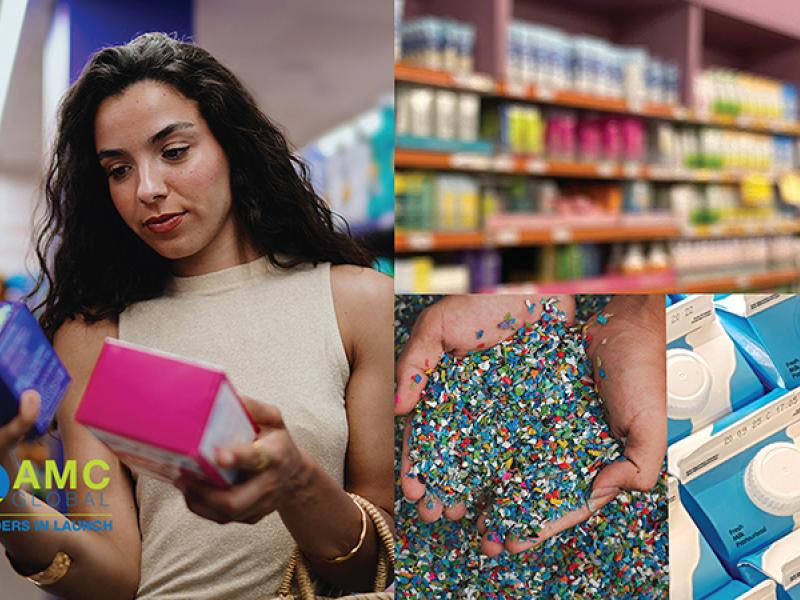
Your Package Has Three Seconds to Attract Shoppers, and Seconds More to Prove It
Three implications are clear for brand leaders: Manage packaging as a conversion system. Put the strongest proof where shoppers can't miss it. Test and retest the value proposition.
MOST CEOS SCRUTINIZE pricing, innovation, media, and distribution as growth levers. Packaging rarely gets the same attention, even though it is the point where all four either convert into revenue or fail.
A brand can spend heavily to create awareness, win distribution, reformulate the product, and justify a higher price. But if the package cannot communicate the value proposition in seconds, that investment is stranded at the shelf.
That makes packaging a CEO issue, not a design issue
It sits at the intersection of growth, margin, brand equity, and execution. It determines whether innovation is understood, pricing is defensible, differentiation is visible, and the shopper has enough confidence to choose the brand over a cheaper or more familiar alternative.
The executive question, then, is not whether the package looks better. It is whether the package improves the shopper’s economics of choice.
For leadership teams, that means treating packaging with the same rigor as any other commercial asset: define the job it must do, measure its performance, and intervene when it does not perform.
Three implications for CPG leaders
1. Manage packaging as a conversion system; not a creative exercise.
- Test the entire decision journey: Does the package stop the shopper? Is the value proposition immediately clear? Is the value believable? How does the shopper make the decision to buy, and how does the visual package influence that decision?
- Action: Identify precisely where shopper purchase conversion breaks down and redesign the package around that point of friction, not subjective preferences in the brand and/or marketing conference room.
2. Put the strongest proof where shoppers cannot miss it.
- Audit every front-of-pack message. Elevate one or two reasons the product deserves to be purchased and eliminate claims that create clutter without building confidence.
- Action: The objective is not to say more; it is to make the reason to buy unmistakable.
3. Retest the value proposition whenever price, size, formulation, or packaging changes.
- Give shoppers a reason to reconsider the brand with every material package change. Before implementation, determine whether the new proposition still earns the purchase, and what packaging cues are required to defend value, differentiation, and trust.
- Action: The strategic implication is clear: packaging is no longer primarily a design asset. It is a conversion system sitting at the final moment of purchase.
A package can win the eye and lose the sale seconds later
In a more skeptical, price-conscious, health-aware marketplace, attention is merely permission to compete. The commercial battle begins after the shopper notices you.
Two packaging success stories illustrate what winning can look like:
RXBAR: Turn the product truth into the advertising
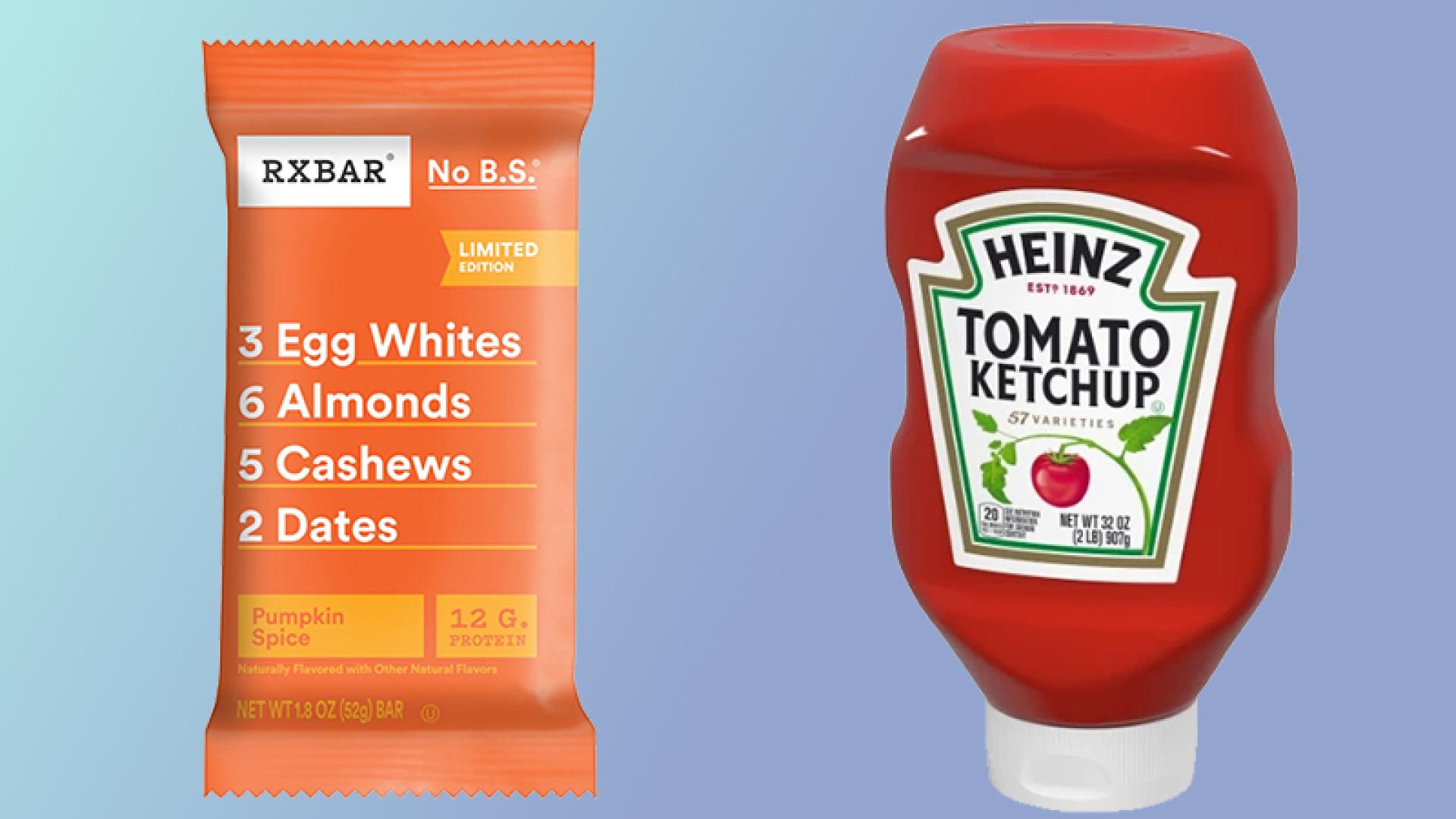
RXBAR made an unconventional decision: instead of burying its simple ingredient story on the back, it placed ingredients prominently on the front of the package.
The package effectively became the sales pitch.
After the redesign, RXBAR moved from relative obscurity to become the number three wellness bar at natural-food retailers and gained distribution in retailers including Whole Foods and Trader Joe’s.
The lesson is bigger than protein bars: “When the product has a compelling truth, do not make shoppers search for it.”
Heinz: Packaging can create utility and economic value
Heinz demonstrated a different principle. Its upside-down ketchup bottle addressed a basic consumer frustration: getting ketchup out of the bottle easily and cleanly.
Consumer testing generated exceptionally strong approval for the design. Later assortment research found that removing the upside-down bottle produced meaningful losses in buyers, volume, and dollar sales, evidence that the package itself had developed consumer equity.
Heinz subsequently streamlined its broader packaging architecture while protecting distinctive brand assets. One redesign program reportedly generated more than $10 million in annual packaging-cost savings.
The lesson learned: “Heinz transformed packaging from presentation into performance, and turned convenience into competitive advantage.”
Moving forward
Great packaging does not merely communicate value. It can create value. That should change the executive conversation.
Packaging decisions should no longer begin with “What should the new design look like?”
They should begin with four harder questions:
- What must shoppers understand immediately?
- What must they believe?
- What must we prove?
- What friction can we eliminate?
For some brands, the answer will be ingredient transparency. For others, it may be convenience, functionality, unmistakable brand assets, portioning, sustainability, or price-value communication.
But the objective is the same
Reduce the cognitive work required for the shopper to choose the product.
The leadership question is therefore no longer: “Does our package stand out?”
It is: “Can our package prove, in seconds, why this product deserves the shopper’s money?”
A FINAL NOTE: At the shelf, visual details get you considered. Message clarity builds confidence. Proof gets you purchased.
 Thom Blischok serves as Chairman and CEO of The Dialogic Group, LLC, where he provides strategic guidance to leading retailers, technology innovators, consumer packaged goods companies, and investment firms specializing in retail transformation, artificial intelligence/robotics, operations, and consumer engagement